背景
这段文字来源于《道德经》的开篇,由老子所著,是道家哲学的基础性经典。此书写于两千多年前,探讨了存在的本质(“道”),以及不可言说的与可定义的(“名”)之间的关系。其哲学重点在于理解普遍的真理,超越表面上的区分,以实现与自然秩序的和谐。
关于“道”和“名”的类比
道:可以把“道”想象成引力,它无形地支配着宇宙,影响着一切。然而,它无法被完全看见或描述。它是恒常的,却超越了语言的表达。
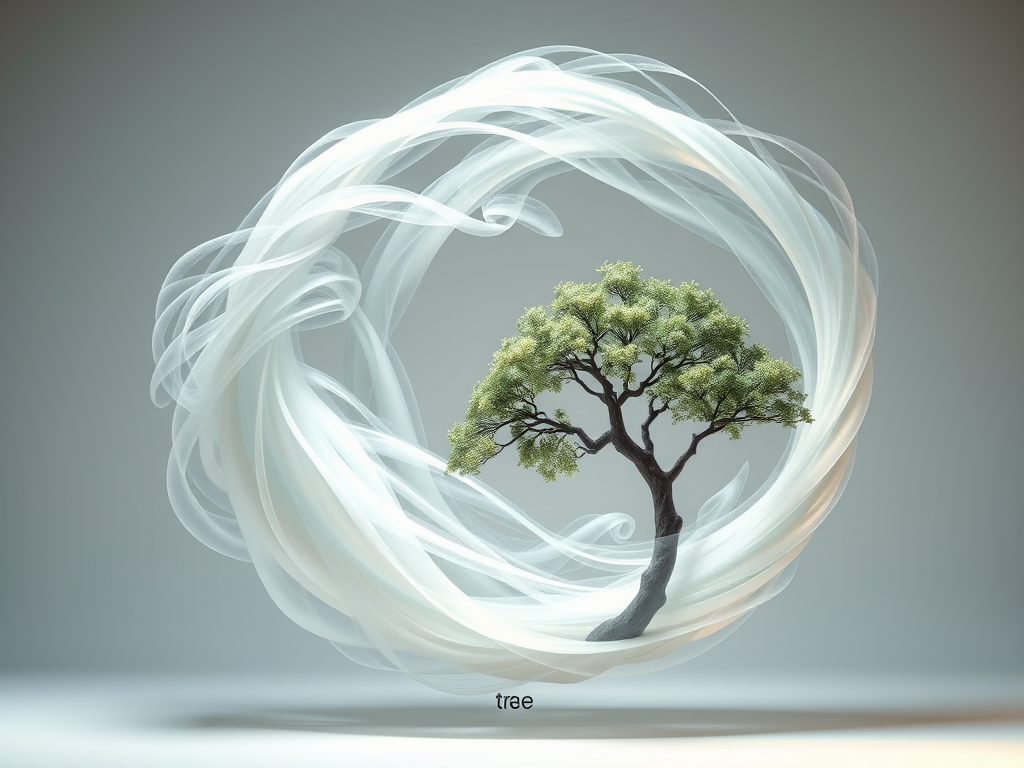
名:可以将“名”视为一个标签,比如“树”。虽然标签有助于交流,但它并不能传递树的完整本质,包括树的生命、与大地的联系或其在生态系统中的角色。
实用应用
放下标签:避免执着于僵化的定义或判断。例如,将“失败”视为学习的一个阶段,而不是固定的结果,这与超越表面“名”的原则相符。
平衡行动与觉察:欲望(主动追求目标)和无欲(客观观察)的对比,提示我们采取平衡的态度。在生活中,这意味着设定目标,同时保持开放的心态,以适应变化并深入理解。
关键要点
道:象征着普遍而永恒的真理,它无法被完全表达。
名:是人类用来分类的工具,有用但本质上有限。
核心智慧:真正的理解来自于放下僵化的观点(无欲),同时拥抱生活中的实际需求(有欲)。
日常生活:练习正念、适应性以及不执着于标签,从而与自然流动保持一致。
第一章
道可道, 非常道; 名可名, 非常名。
无名天地之始, 有名万物之母。
故常无欲以观其妙, 常有欲以观其徼。
两者同出异名, 同谓玄之又玄。
众妙之门。
第一章, 解释说明
可以语言交流的道,非真正意义上的道;可以明确定义的名,非真正意义上的名。
天地在开始时并无名称,名只是为了万物的归属。
因此常用无意识以发现其奥妙,常用有意识以归属其范围。
两种思维模式同出自一个地方但概念却不相同,这就是玄之又玄的玄关窍。
它是打开一切奥妙的不二法门。
说的是:
“道”是很难用语言说清楚的,真正的”道”不是普通的道理。
名字也是这样,真正的名字不能简单地定义,它代表的是事物的本质。
在天地刚刚开始时,没有名字,因为那时还没有万物。
后来有了万物,我们给它们起名字,但名字只是为了帮助我们区分它们。
所以,当我们不用任何想法和欲望去看世界时,我们可以发现世界的神奇。
而当我们有了想法时,我们只是看到了表面。
这两种方式虽然不同,但它们其实都是来自同一个道理。
这个道理很深奥,是打开所有秘密的钥匙。
用简单易懂的方式是 :
“道”是指宇宙中一切运行的法则或原则,但如果我们试图用语言去描述它,那就不是真正的道。类似地,”名”是指所有事物的名称,但如果我们能明确地给某样东西命名,这个名称也不是永恒的真理。
“无名”是指在天地形成之前,没有任何东西有名字,而”有名”是指在万物出现后,我们才开始给它们命名。通过不执着(无欲)去看待世界,我们可以领悟到世界深奥的本质,而通过执着(有欲)去看待,我们只能看到表面的现象。
这两种方法都是理解宇宙的方式,尽管它们看似不同,但它们都来自同一个根源,并且都指向最深奥的智慧。这就是探索宇宙真理的关键所在。

道可道,非常道;名可名,非常名。
道,是宇宙万物运行的法则,但任何可以用语言表达的“道”并非永恒的、真正的道。
名,是人们给万物定义的名称,但任何明确可定义的“名”也并非事物的本质。
无名天地之始,有名万物之母。
无名,是指在天地未形成之前,一切都处于混沌状态。
有名,是指万物形成后,人类为其赋予名称以便理解和区分。
故常无欲以观其妙,常有欲以观其徼。
通过无欲(摒弃主观想法和执念)去观察,可以领悟宇宙深奥的本质。
通过有欲(带着目的和意念)去观察,只能看到现象的表面。
两者同出异名,同谓玄之又玄,众妙之门。
无欲与有欲虽然看似对立,但同源于“道”。这种深奥的智慧是理解宇宙奥秘的关键。
简化理解:
“道” 是指万物运作的根本规律,无法完全用语言描述。
“名” 是帮助人们理解万物的工具,但它并不代表真实本质。
不执着于表面现象(无欲),可以感悟到深层的真理;通过执着(有欲),只能理解浅显的部分。
这两种方式虽然看似矛盾,但都指向“道”,是通往智慧的大门。
当代应用:
生活中的“道”:接受变化,顺应自然规律,不必执着定义每件事物。
无欲与有欲:学会放下成见,直面世界的本质,同时在行动中有目标和愿景。两者结合,能平衡理性与感性。
Context and Background:
The passage comes from the opening lines of the Tao Te Ching by Laozi. It is foundational to Daoist philosophy. Written over 2,000 years ago, this text explores the nature of existence (Tao). It also examines the interplay between the ineffable and the definable (Name). The philosophical focus is on understanding universal truths and transcending superficial distinctions to achieve harmony with the natural order.
Analogies for “道” (Tao) and “名” (Name):
Tao (道): Imagine the Tao as gravity. It governs the universe invisibly and influences everything. Yet, it can’t be fully seen or described. It’s constant but beyond words.
Name (名): Think of “name” as a label, like “tree.” While useful for communication, it does not convey the full essence of a tree. It does not reveal the tree’s life, its connection to the earth, or its role in the ecosystem.
Practical Applications:
Letting Go of Labels: Avoid clinging to rigid definitions or judgments. For example, view a “failure” as a step toward learning. This perspective aligns with the principle of transcending superficial “names.”
Balancing Action and Awareness: The contrast between “desire” (actively pursuing goals) and “non-desire” (observing without bias) suggests a balanced approach. In life, this means setting goals while remaining open to change and deeper understanding.
Key Takeaways:
The Tao (道): Stands for universal, unchanging truths that can’t be fully articulated.
The Name (名): A human tool for categorization, helpful but inherently limiting.
Core Wisdom: True understanding comes from letting go of rigid perspectives (non-wanting) while embracing life’s practicalities (wishes).
Daily Life: Practice mindfulness, adaptability, and non-attachment to labels to align with life’s natural flow.
The Tao that can be spoken is not the eternal Tao.
The name that can be named is not the eternal name.
Tao symbolizes the fundamental laws governing the operation of all things in the universe. Yet, any Tao that can be expressed in words is not the true, eternal Tao.
Names are the labels humans assign to things. Still, a clearly defined name does not encapsulate the essence of the thing it describes.
The nameless is the origin of Heaven and Earth; the named is the mother of all things.
‘Nameless’ refers to the state before Heaven and Earth were formed when all was in chaos.
‘Named’ refers to the state after the formation of all things when humans assigned names to understand and distinguish them.
By being free of desires, one observes the profound mysteries of the universe. With desires, one sees only its surface manifestations.
Through a state of non-attachment (abandoning subjective thoughts and obsessions), one can grasp the deep truths of the universe.
Through attachment (approaching with intentions and desires), one perceives only the superficial aspects.
The two arise from the same source but are named differently; together, they are called the profound.
Non-attachment and attachment seem contradictory, but they both stem from the same Tao.
This profound wisdom is the key to understanding the mysteries of the universe.
Simplified :
Tao: The fundamental principle governing the universe, beyond full articulation.
Names: Tools humans use to label and understand things, but they don’t reveal the essence.
Observing without craving (non-attachment) reveals deep truths, while observing with want only shows superficial aspects. Though these approaches seem opposite, both lead to Tao and serve as paths to wisdom.
Applications:
Tao in Life: Embrace change, follow natural laws, and avoid being overly attached to defining everything.
Non-Attachment and Attachment: Let go of preconceived notions to see the world’s essence. Set clear goals and intentions in action. Combining the two balances: rationality with intuition.
The Tao that can be told is not the eternal Tao. The name that can be named is not the eternal name.
The true nature of the Tao (the Way, or universal principle) can’t be fully described or contained by words. Similarly, names are merely labels and do not capture the essence of what they describe.
“The nameless is the origin of Heaven and Earth; the named is the mother of all things.”
The formless, nameless Tao signifies the source of all creation. Naming gives structure and individuality to things but is not their ultimate source.
“So, free from want, you watch its mystery; caught in wish, you see only its manifestations.”
By letting go of desires and biases, you can grasp the deeper truth of the universe. Yearning binds you to surface-level appearances.
“These two emerge from the same source but have different names; together, they are called the profound.”
The opposites (formless vs. form, desire vs. detachment) arise from the same origin, the Tao. This profound interplay of opposites is the gateway to all wisdom.
Interpretation:
The passage teaches humility in understanding the universe. It advises observing life with an open, unbiased mind. This approach allows the perception of its deeper mysteries. It also acknowledges the limitations of human concepts like language and names.
 Always Be Confident